


Francophone Immigration
Get Permanent Residency in Canada through Francophone Immigration
Overview
What Is Francophone Immigration?
Francophone immigration is designed to attract French-speaking skilled workers to provinces and territories outside Quebec. Through programs like the Francophone Mobility Program and additional CRS points under Express Entry, French-speaking applicants have higher chances of receiving Invitations to Apply (ITAs) for permanent residency.

Why Does Canada Encourage Francophone Immigration?
Canada aims to strengthen its bilingual identity and fill labor market gaps in French-speaking communities outside Quebec. To achieve this, French-speaking candidates are awarded additional CRS points and may benefit from priority draws for Express Entry. This means you can qualify for PR with a lower score than English-only speakers.
What Are the Pathways for Francophone PR?
- Express Entry (FSW, CEC, FST): Extra points are given for French language proficiency (up to 50 points).
- Francophone Mobility Program: Work permit program for French speakers with job offers outside Quebec, often exempt from LMIA.
- Provincial Nominee Programs (PNPs): Provinces like Ontario, Manitoba, and New Brunswick have Francophone streams for permanent residency.
- Atlantic Immigration Program: French speakers are prioritized by employers in Atlantic provinces.
Benefits of Francophone Immigration
- Additional CRS points under Express Entry.
- LMIA exemptions for certain work permits.
- Higher chances of receiving job offers in Francophone communities.
- Access to programs outside Quebec, where competition is lower.
- Fast-track routes through category-based Express Entry draws.
The Francophone Mobility Program allows French-speaking skilled workers to work in Canada outside Quebec without requiring an LMIA. It helps employers hire French speakers more easily, and workers can transition to permanent residency later through Express Entry or PNPs.
Under Express Entry, you can receive up to 50 additional CRS points if you have strong French proficiency (CLB 7 or higher) and moderate English skills. Even without English, you can still earn 25 extra points for French alone.
English is not mandatory, but having English test results can improve your overall CRS score. Even basic English combined with French can help you score higher and improve job opportunities.
The two accepted tests are TEF Canada (Test d’évaluation de français) and TCF Canada (Test de connaissance du français). You must achieve minimum scores equivalent to CLB 7 for Federal Skilled Worker or Provincial streams.
No. Francophone immigration streams are specifically for candidates outside Quebec. If you wish to live in Quebec, you must apply through Quebec’s immigration programs like QSWP or PEQ.
How to Apply for Francophone PR?
- Check your eligibility under Express Entry or a Francophone stream.
- Take a recognized French test (TEF or TCF Canada) and English test (if applicable).
- Create an Express Entry profile and claim additional CRS points for French.
- Secure a job offer (if required) through programs like Francophone Mobility.
- Receive an ITA and submit your PR application with all documents.
Eligibility Requirements for Francophone PR
- Proficiency in French (minimum CLB 7 for most programs).
- Educational credentials equivalent to a Canadian diploma.
- Relevant work experience (usually 1 year or more).
- Proof of funds (unless already working in Canada).
- Intention to settle in a province or territory outside Quebec.
SUCCESS STORIES


Ramandeep Singh Garg & Priyanka Sharma
Canada 🇨🇦
Canada Work Permit Approved! 🇨🇦
Ramandeep Singh Garg and Priyanka Sharma successfully got their Canadian Work Permits approved! With the right guidance and support, their dream of working in Canada became a reality.
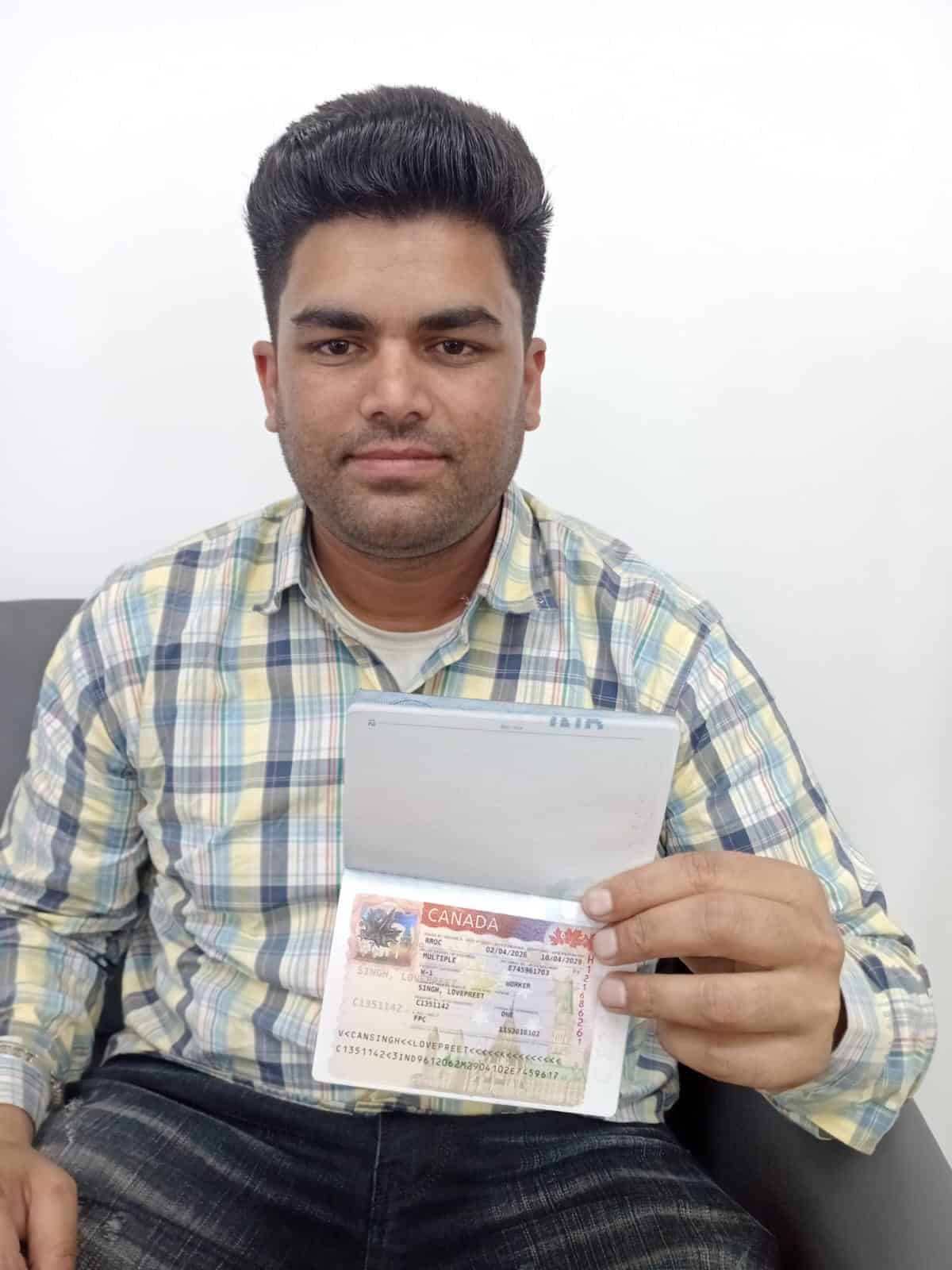
Lavpreet Singh
Canada 🇨🇦
Canada Said YES! 🇨🇦
Another visa dream turned into reality! With the right planning and expert guidance from Acme Visa Solutions, this client successfully got their Canada visa approved.

Ajay Kumar
Canada 🇨🇦
Rejected Before, PR Approved Now! 🇨🇦
Ajay Kumar was rejected before, but Acme Visa Solutions made it happen! Despite a complex case, he successfully got his Canadian Permanent Residency approved. The right team truly makes all the difference.
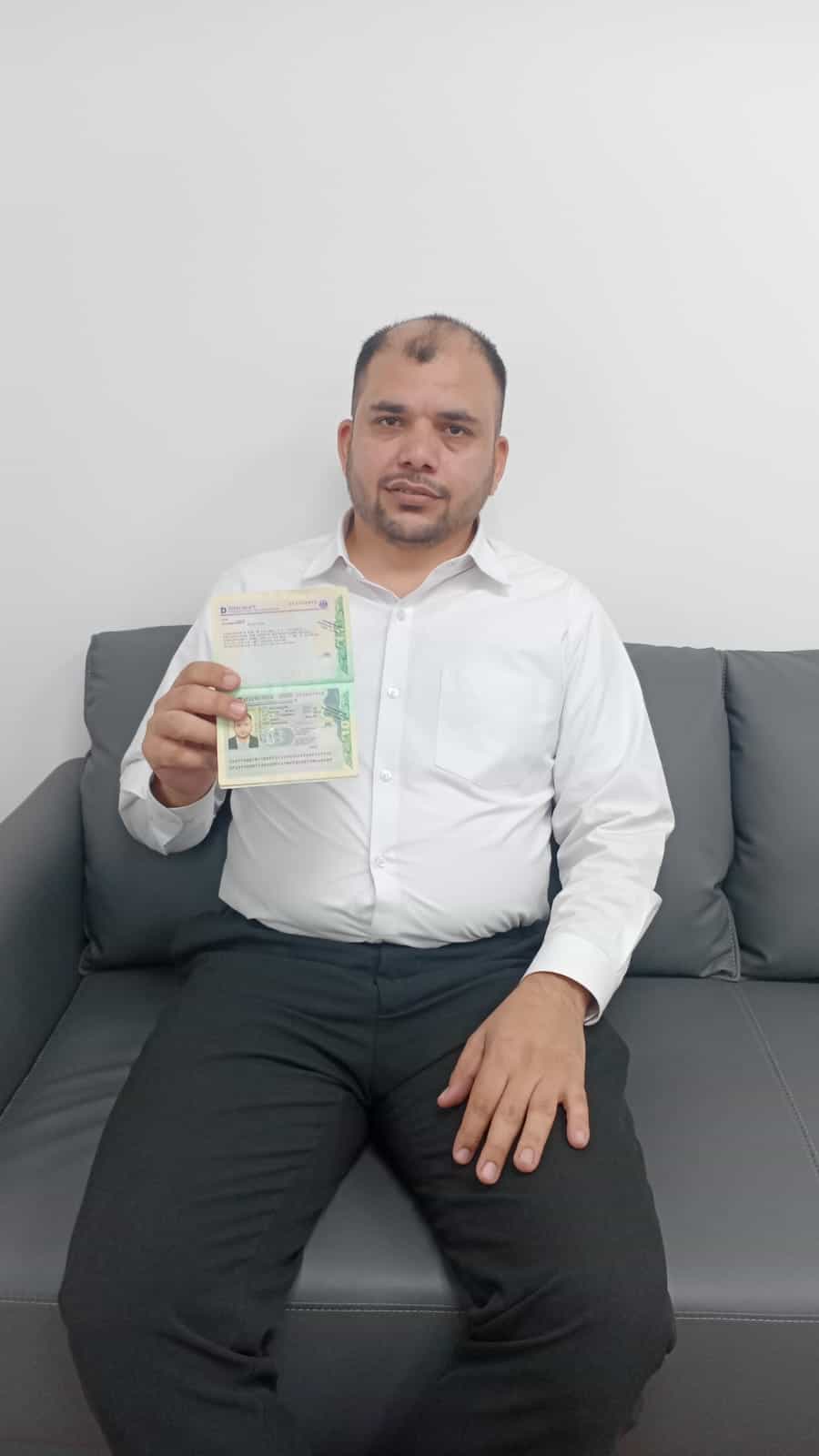
Resh
Germany 🇩🇪
Freshers Can Apply for Germany Opportunity Card! 🇩🇪
Did you know freshers can apply for the Germany Opportunity Card? With the right profile and strategy, your global career can start today. Acme Visa Solutions provides end-to-end guidance to make it happen.
Balwant Singh
Canada
Work Permit APPROVED! Another Dream Just Came True
Balwant Singh Sidhu & family just got their Work Permit secured with Acme Visa Solutions!